
Tag: Engineering
All articles about “Engineering”
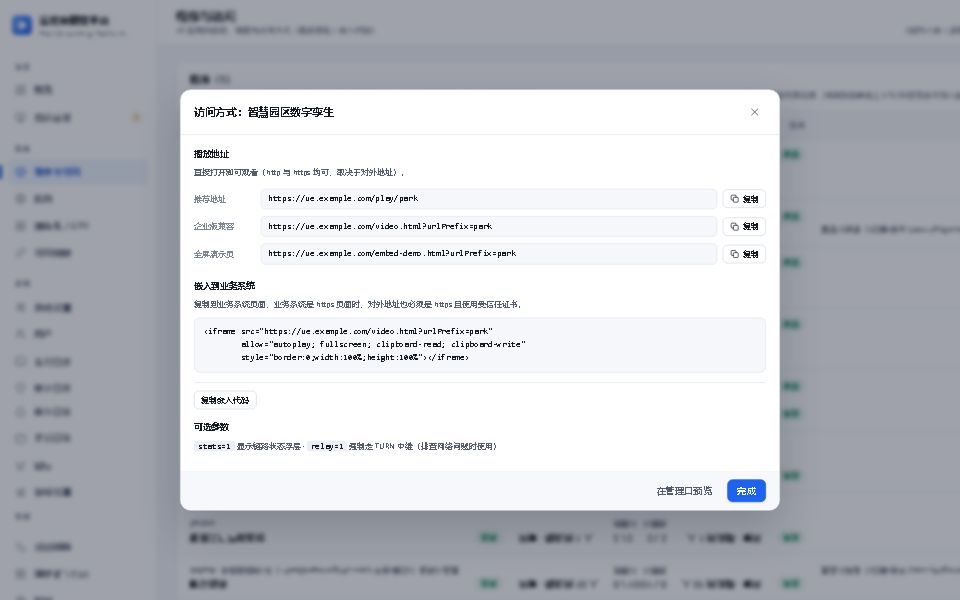
The security boundaries of a Pixel Streaming platform: viewer port, admin port and render machines
UEPS is secure by default: the public entry carries only viewer traffic, while the console, UE and agents connect from the internal network with tokens; administrators sign in with scrypt passwords, two-factor authentication and session revocation, and viewers are governed by access links, IP allow-lists, rate limits and clear close codes.
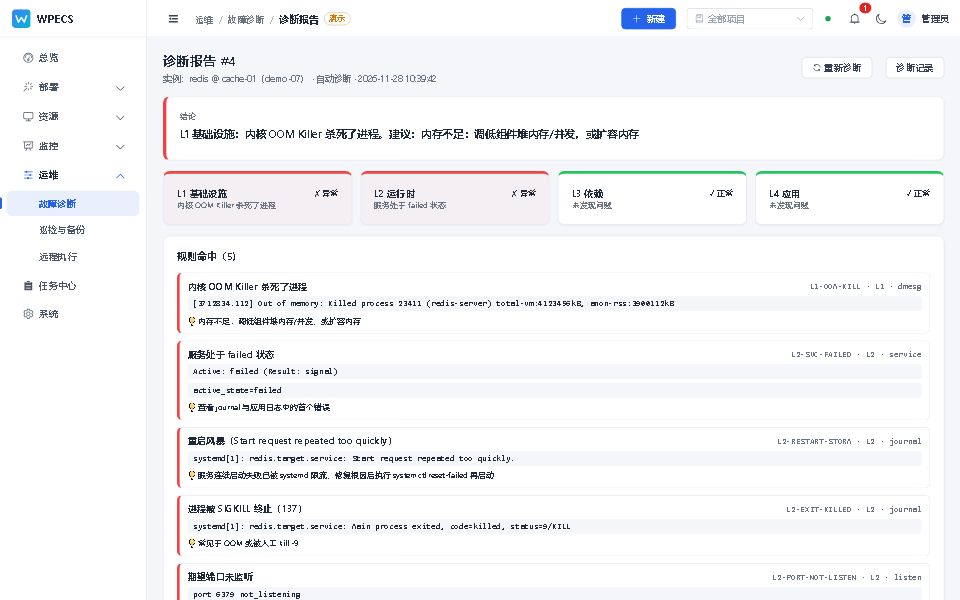
From alert to answer: WPECS's 43 layered diagnosis rules
WPECS splits diagnosis into four layers (host, runtime, dependencies, application) and gathers evidence layer by layer with 43 rules; when an alert fires, a read-only diagnosis runs automatically and its conclusion and advice go out with the alert, optionally analyzed by Claude or an internal LLM with the evidence redacted.
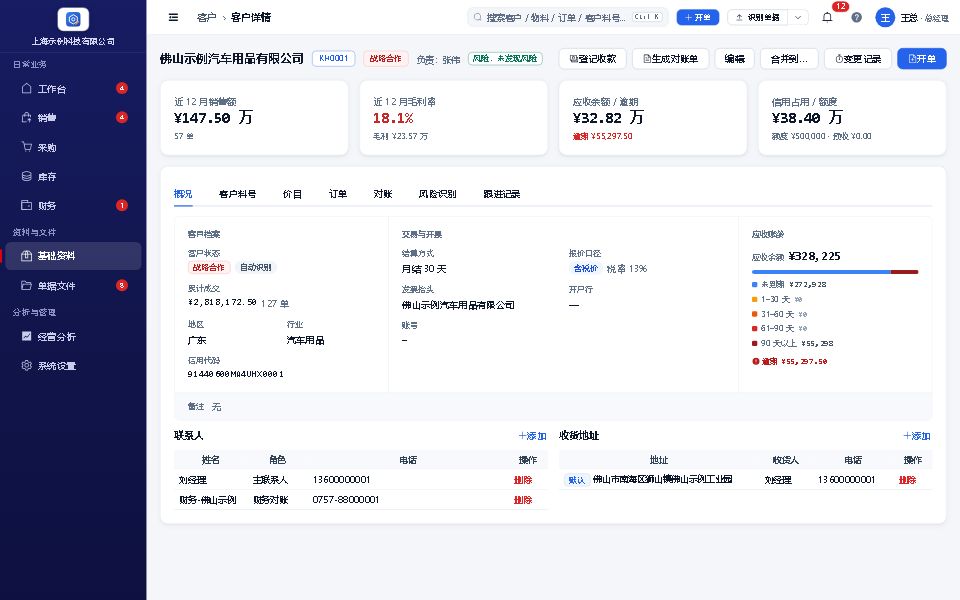
Sales never see purchase prices: RBAC and PostgreSQL row-level security in fordway
Trading companies fear salespeople taking deals around them. fordway controls data visibility at three layers, pages, APIs and database row-level security: fields you may not see are never returned, never exported, and the database is the last line of defence.
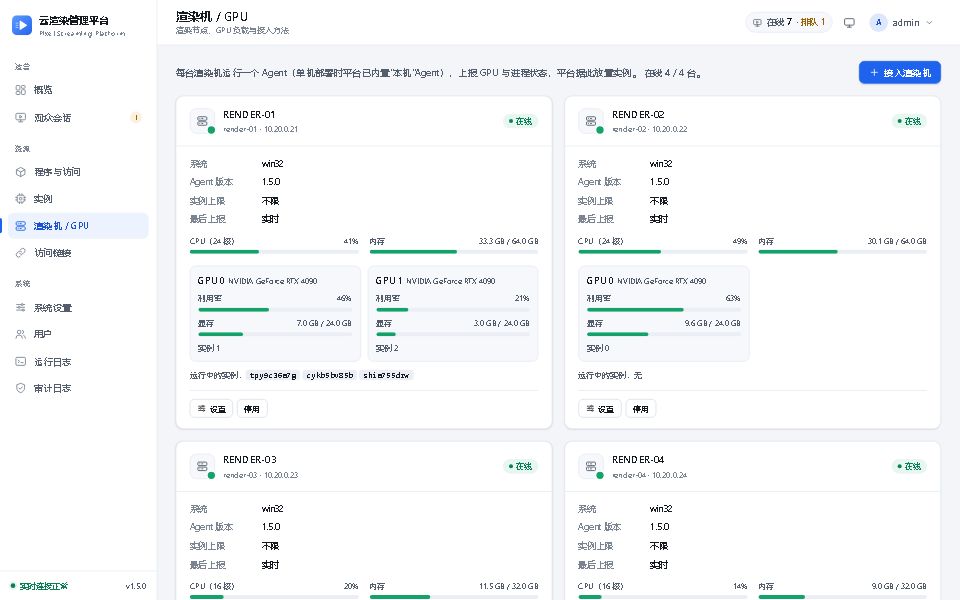
1,000 viewers at about 300 ms p99: how UEPS is load tested, what it measured, and what to monitor
UEPS load tests the platform itself with simulated render machines and viewers: 300 viewers through nginx reach 328 ms p99, and 1,000 viewers on the viewer port reach 306 ms p99 with memory going from 81 to 115 MB and zero errors. This article covers the method, the architectural trade-offs and the metrics to watch in production.
Delivering into offline networks: WPECS's artifact repository, download engine and vulnerability management
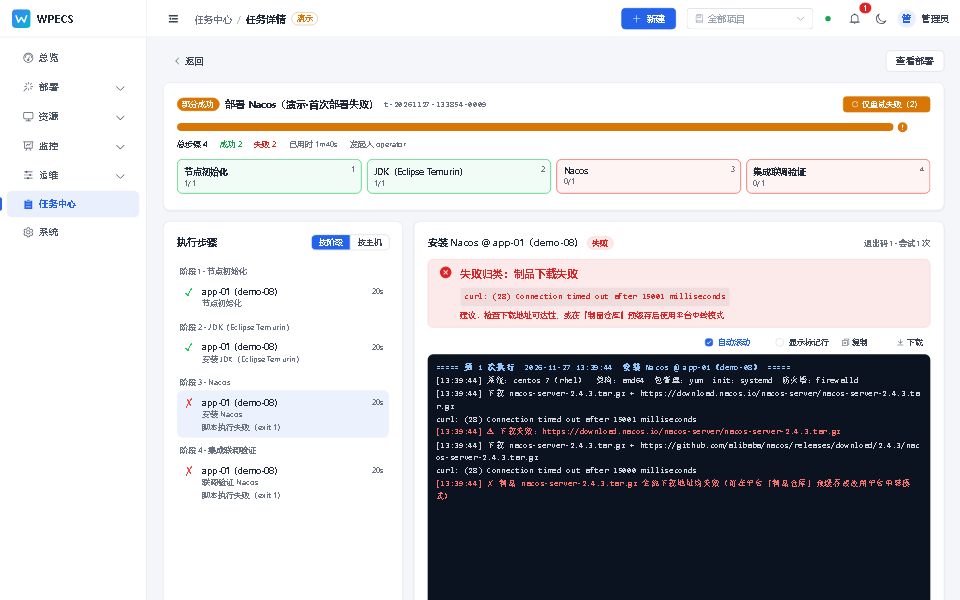
WPECS downloads each package once into its repository and pushes it to nodes; its download engine probes many sources at once, detects soft 404s, downloads in segments across mirrors and checks upstream checksums. Fully offline sites get per-architecture export bundles imported with one command, and the vulnerability database can be imported offline too.