
Tag: fordway
All articles about “fordway”
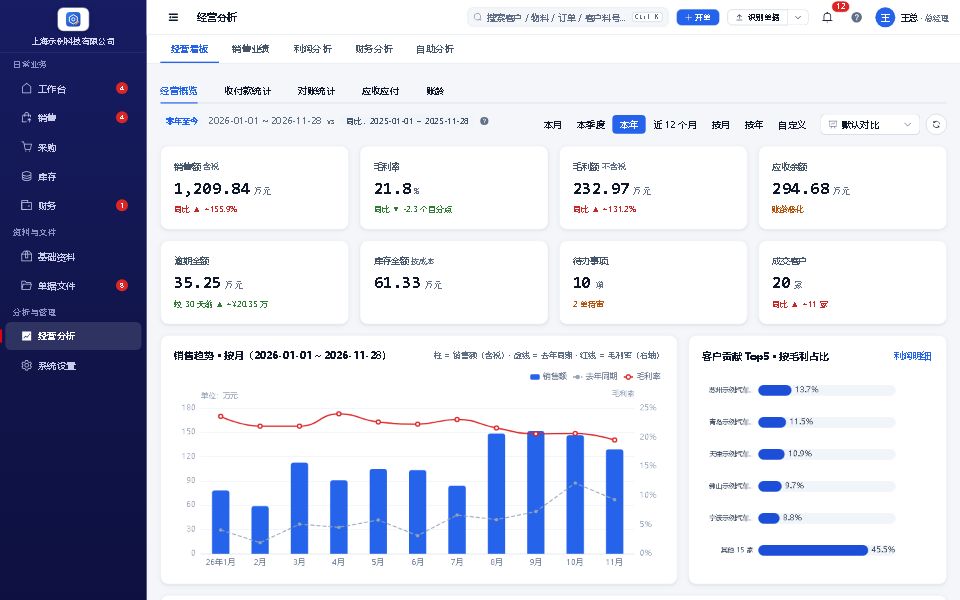
Introducing fordway: an all-in-one ERP for trading companies with 5 to 50 people
fordway puts customers, pricing, sales, purchasing, inventory, reconciliation and analytics in one system, with AI document recognition, three-layer item mapping and role-based data isolation, and it runs on a 2-core, 4 GB server.
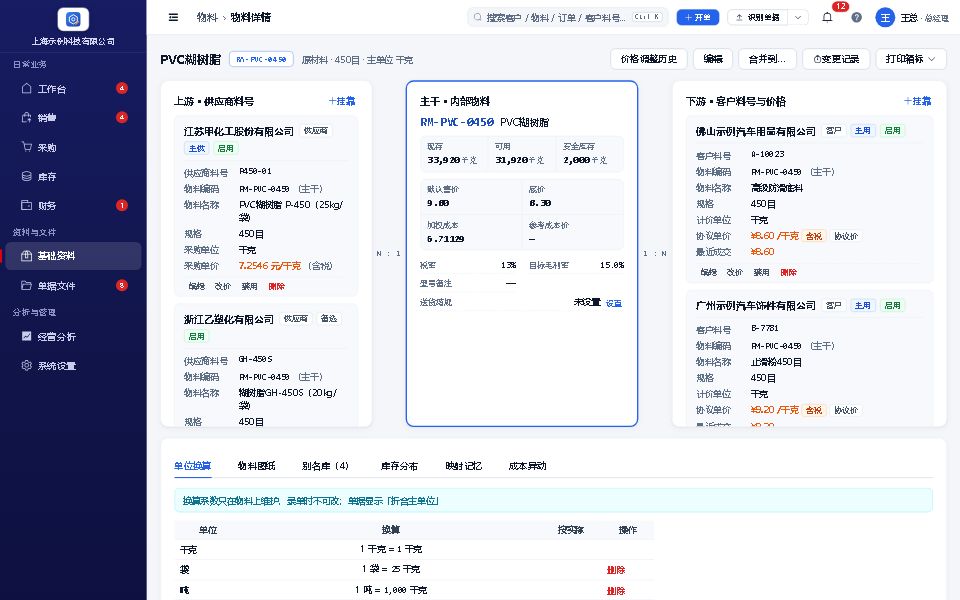
One item, many names: fordway's three-layer item mapping and four-step matching
Customers, suppliers and your own team each name the same item differently. fordway anchors everything on one internal item, attaches supplier and customer part numbers to it, and uses four-step matching to translate any wording on a document into the right item.
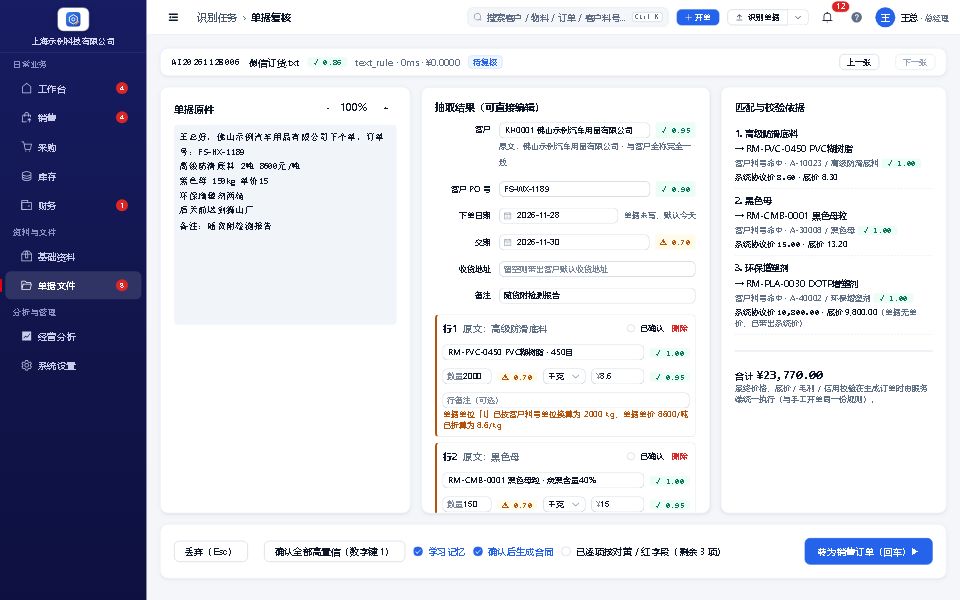
AI results are always drafts: the review loop behind fordway's document recognition
In fordway the system reads, matches, calculates and checks, while reviewers only confirm yellow and red fields; quantities are cross-checked against amounts, units and prices are converted, duplicate order numbers are caught, and only a confirmed draft becomes a document, with every confirmation learned for next time.
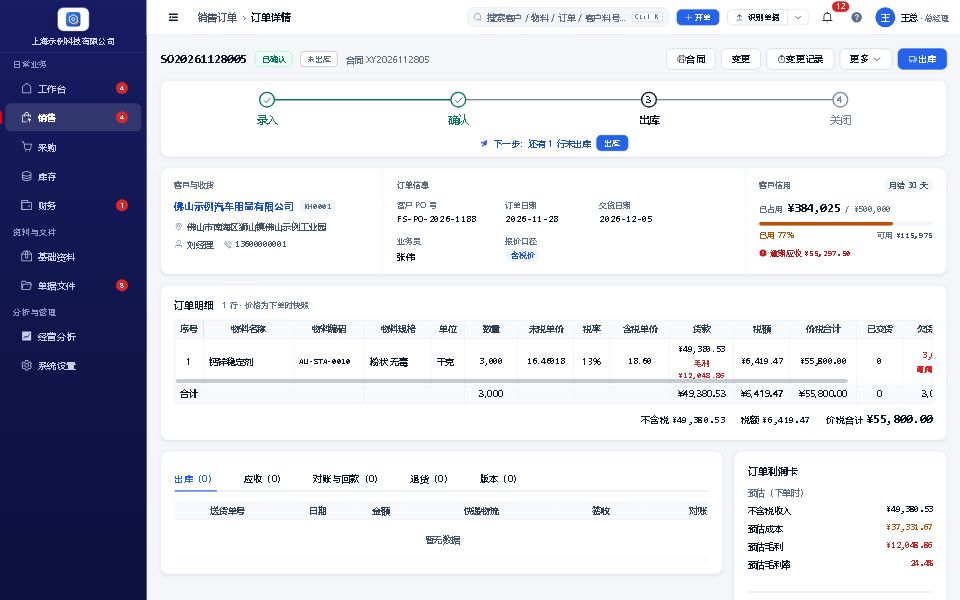
Pricing rules, four checks and price snapshots: how fordway stops prices from contradicting each other
Agreement, standard and last deal prices are applied in a fixed order, a database constraint keeps price list periods from overlapping, floor price, price deviation, margin red line, credit limit and customer risk trigger approval, and confirmed orders freeze a price snapshot.
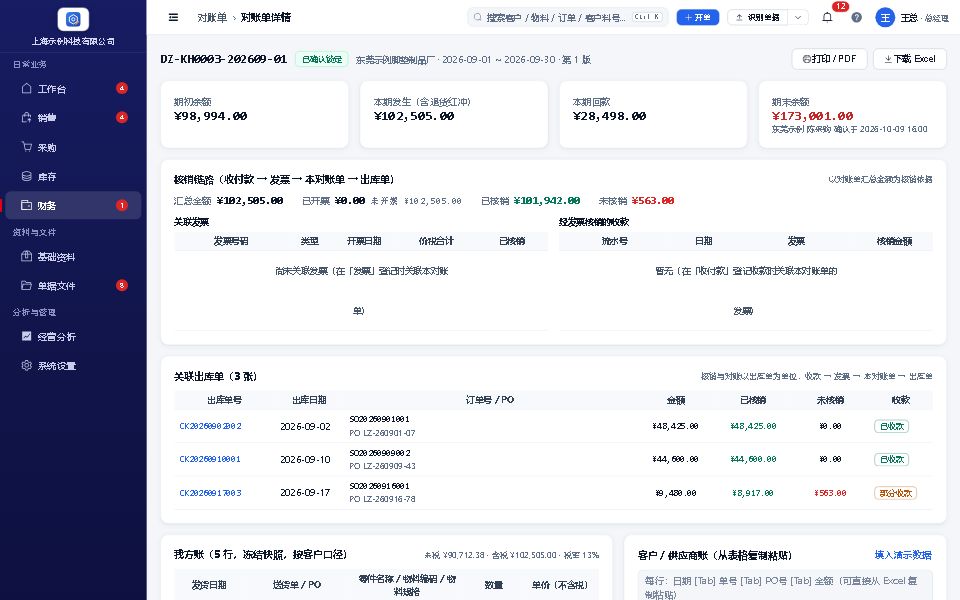
From payment to delivery: how fordway settles accounts step by step
Payments settle invoices, invoices settle statements, and statements settle outbound deliveries; statements are frozen when generated and versioned when changed, customer ledgers are compared in four steps, nine kinds of differences must be closed, and twelve checks keep stock, invoices and payments consistent.
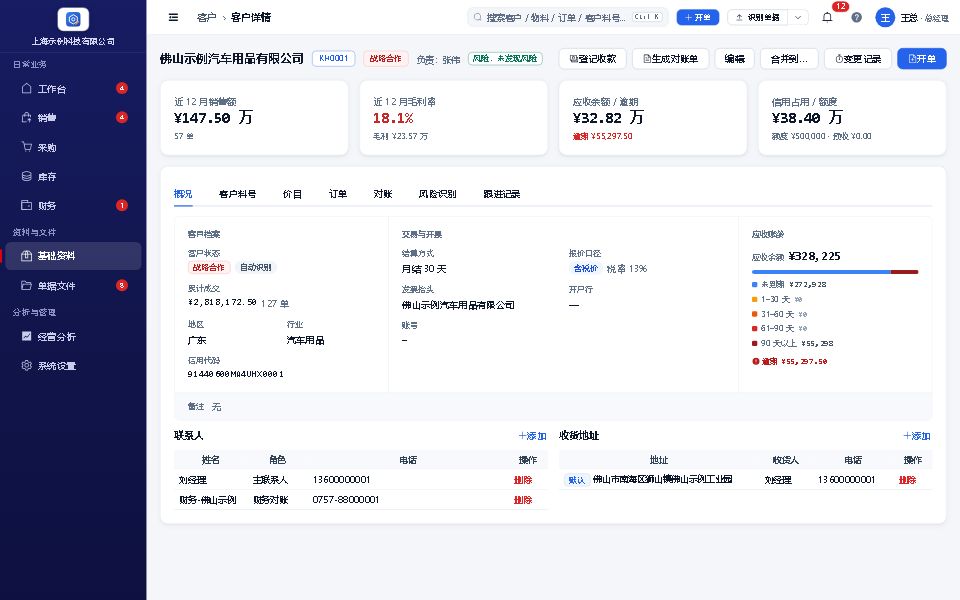
Sales never see purchase prices: RBAC and PostgreSQL row-level security in fordway
Trading companies fear salespeople taking deals around them. fordway controls data visibility at three layers, pages, APIs and database row-level security: fields you may not see are never returned, never exported, and the database is the last line of defence.