
Tag: Engineering
All articles about “Engineering”
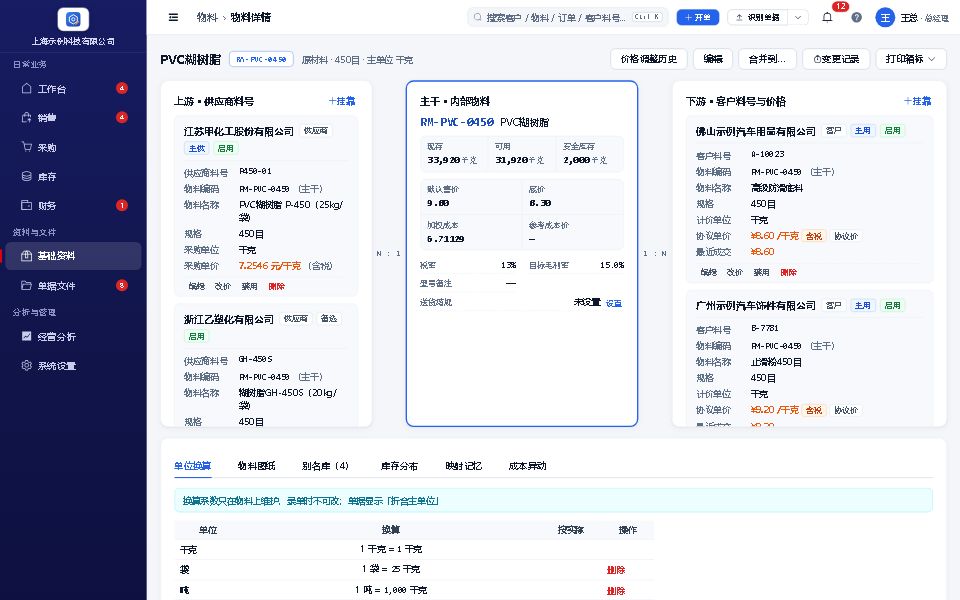
One item, many names: fordway's three-layer item mapping and four-step matching
Customers, suppliers and your own team each name the same item differently. fordway anchors everything on one internal item, attaches supplier and customer part numbers to it, and uses four-step matching to translate any wording on a document into the right item.
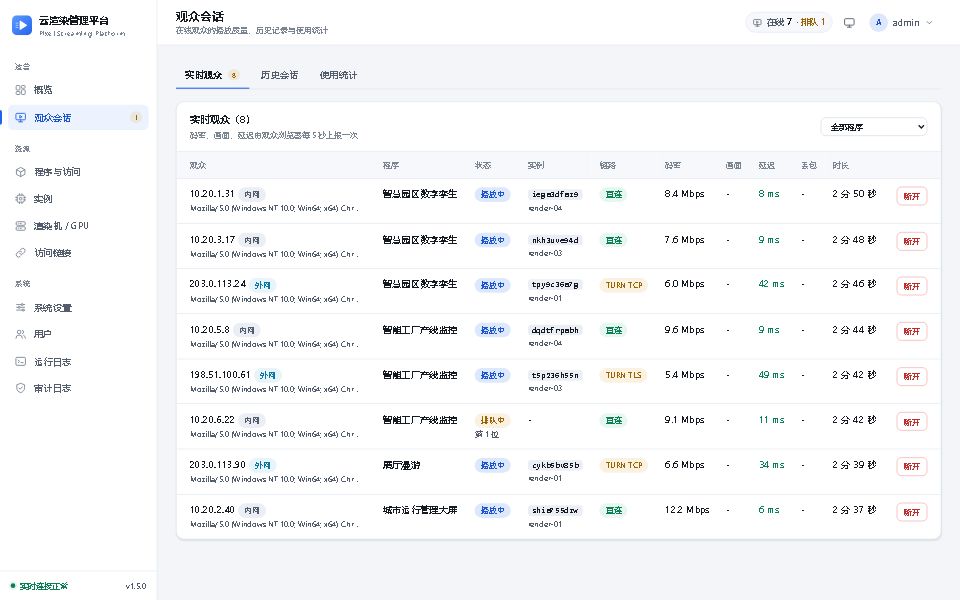
Why Pixel Streaming goes black on the public internet: WebRTC, TURN and single-port multiplexing
WebRTC media cannot pass through an HTTP reverse proxy, but it can travel over TURN on TCP or TLS. UEPS uses nginx stream to split web pages, signaling and TURN on one port by whether a connection uses TLS and carries ALPN, and the TURN server reaches UE over UDP inside the network.
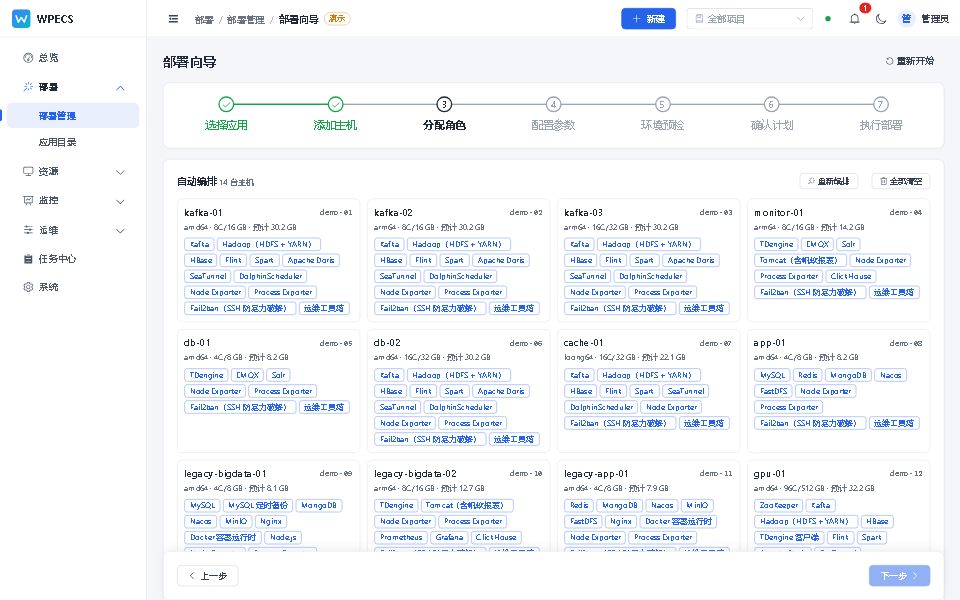
Behind the seven-step wizard: WPECS's full-stack orchestration, DAG execution and failure classification
WPECS's planner normalizes the solution, assigns roles, validates constraints and compiles a DAG; the execution engine runs it in topological order in parallel with per-host locks, and supports pause, cancel, retry and resume. Every component ships its own verify.sh, the deployment ends with integration checks, and a failure only affects the components that depend on it.
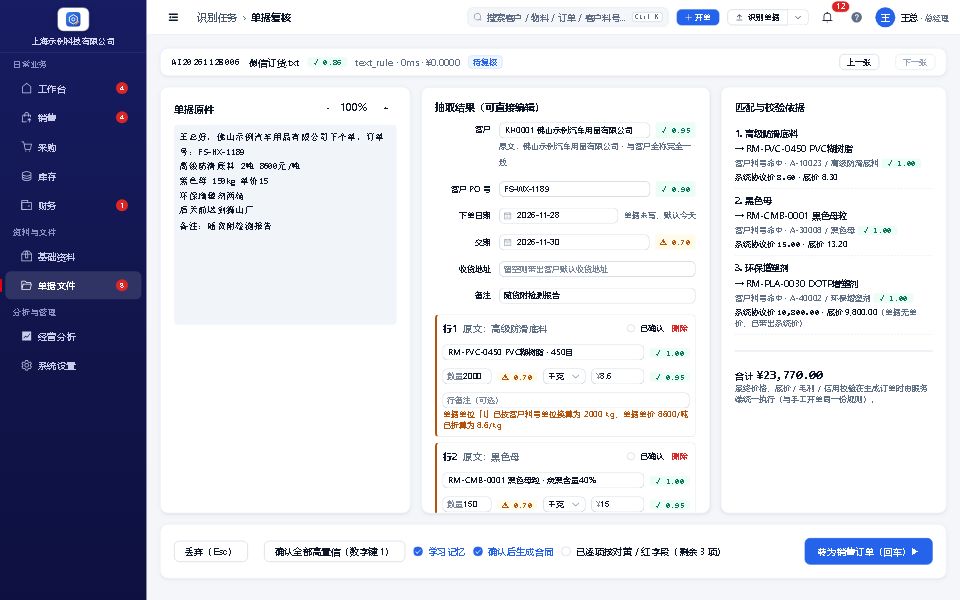
AI results are always drafts: the review loop behind fordway's document recognition
In fordway the system reads, matches, calculates and checks, while reviewers only confirm yellow and red fields; quantities are cross-checked against amounts, units and prices are converted, duplicate order numbers are caught, and only a confirmed draft becomes a document, with every confirmation learned for next time.
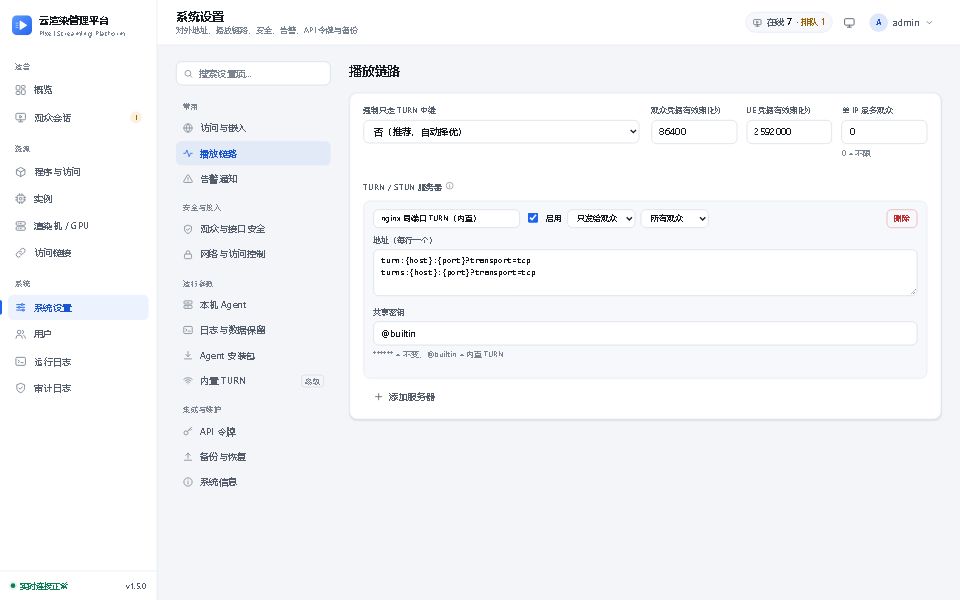
Why the Pixel Streaming video disappears behind another reverse proxy
Web pages and signaling can go through a front reverse proxy, but TURN media cannot pass a plain HTTP proxy. Here are two fixes, a layer-4 split on the front proxy or one extra plain TCP forwarding port, plus how to get the viewer's real IP right.
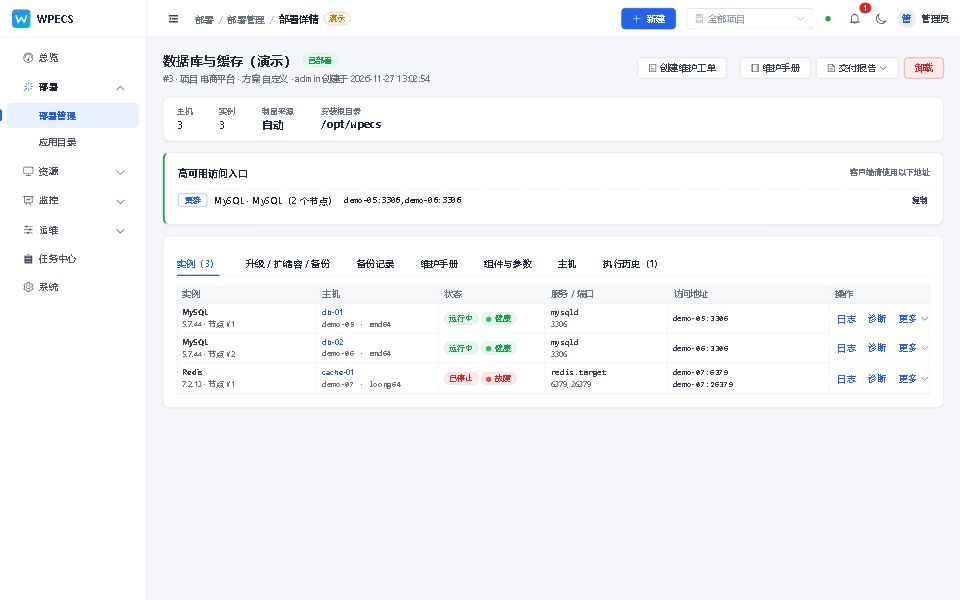
HA by default and per-machine tuning: how WPECS turns delivery know-how into platform behaviour
WPECS builds a high-availability layout into every component (VIPs, dual primary, Sentinel, standby masters, Raft, erasure coding and more) and calculates key parameters from each machine's CPU, memory and disk type: subtract the system reserve, share the rest by the weights of co-located components, and pick kernel settings by load.
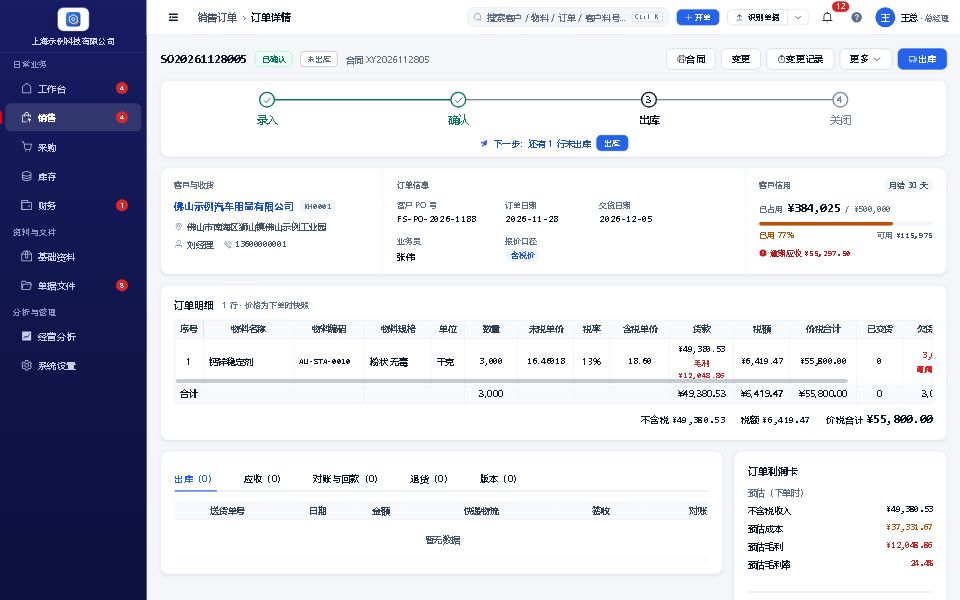
Pricing rules, four checks and price snapshots: how fordway stops prices from contradicting each other
Agreement, standard and last deal prices are applied in a fixed order, a database constraint keeps price list periods from overlapping, floor price, price deviation, margin red line, credit limit and customer risk trigger approval, and confirmed orders freeze a price snapshot.
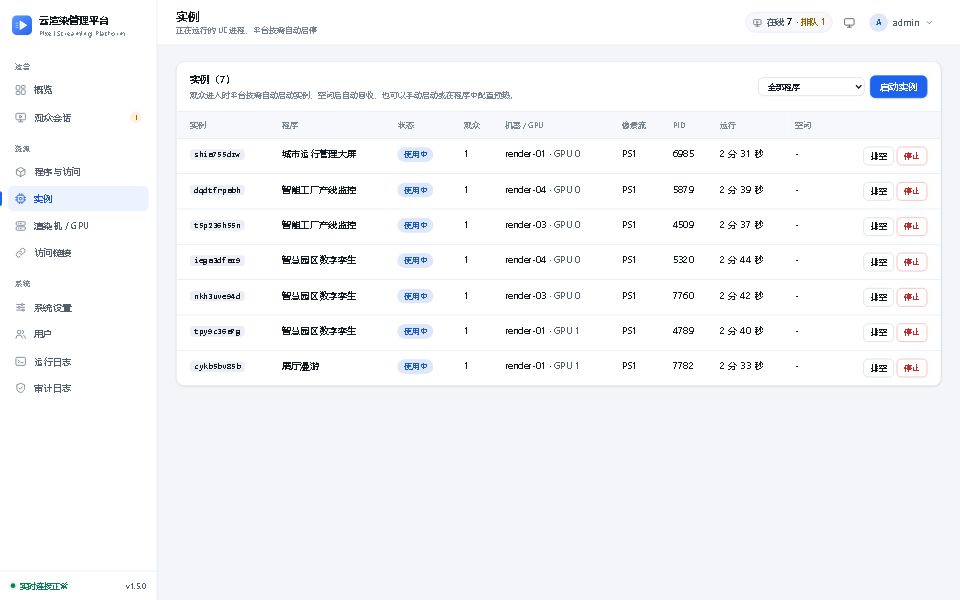
UE instance scheduling: how exclusive, shared, pre-warmed and VIP modes work
UEPS generates the instance ID itself and passes it in UE's launch arguments for deterministic binding, places instances by free GPU memory, scales by queue length and pre-warm targets, retries on another GPU or machine, and takes over running UE processes after a restart.
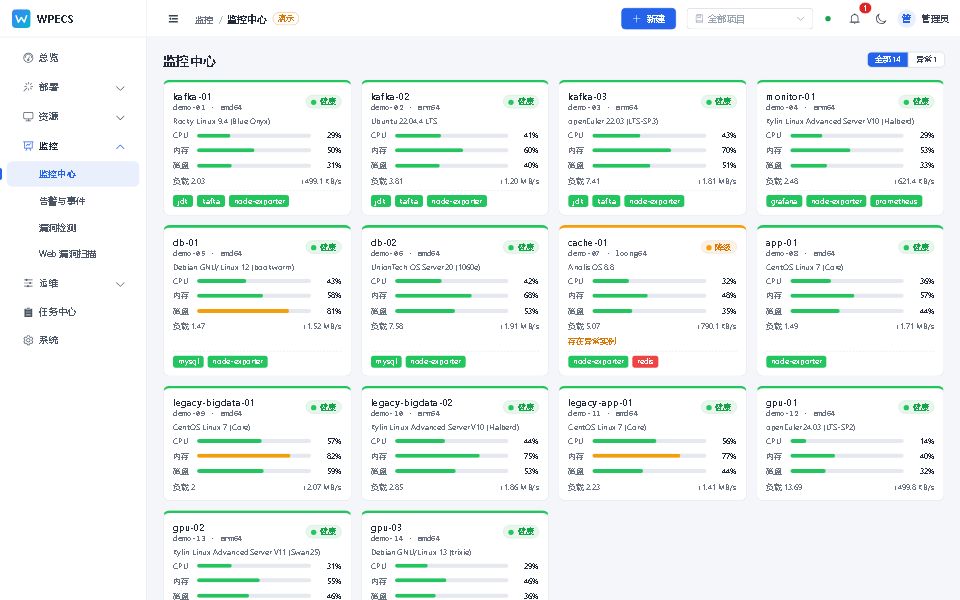
Legacy adoption: read-only discovery, version detection and never changing the host
Projects delivered with old scripts do not need a reinstall: WPECS imports the existing config.ini, probes processes, ports, systemd and containers read-only over SSH, identifies the real versions of 30+ kinds of components, and brings them under monitoring and operations once confirmed, running at low priority without making any changes.
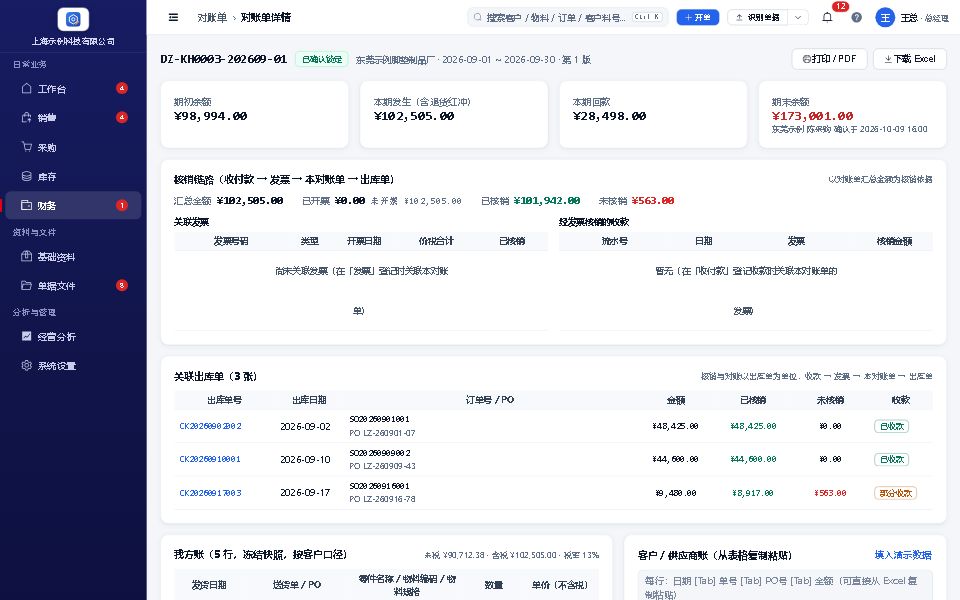
From payment to delivery: how fordway settles accounts step by step
Payments settle invoices, invoices settle statements, and statements settle outbound deliveries; statements are frozen when generated and versioned when changed, customer ledgers are compared in four steps, nine kinds of differences must be closed, and twelve checks keep stock, invoices and payments consistent.